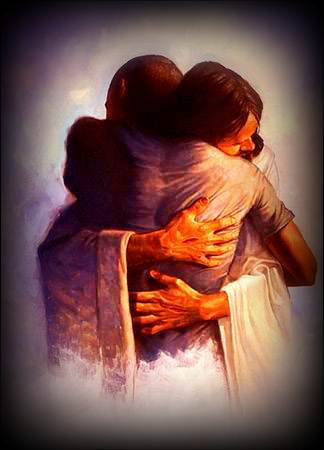
THE PRODIGAL – by Raphael ben Levi
Yeshua shared this beautiful story that sets the scene of a family in crisis. The father demonstrates immense love at every turn which neither of the two sons reciprocates beyond a grudging acceptance. Both sons approach life from opposite spectrums yet each is spiritually sick but in different ways and appear to internalise a seething contempt for each other carefully concealed yet eventually exposed in full view.
The Prodigal recklessly claimed his inheritance early, defying protocol, convinced that by doing so he would find true happiness in pursuit of the world’s allurements. His life of hedonism ultimately led him into the lowest form of servitude: feeding pigs. In the ancient world, a polite way of refusing someone enquiring after employment was to offer them the job to take care of your pigs. However, the young man was so desperate, he actually accepted! This was a severe embarrassment since pigs are non-kosher animals, prohibited to Jews under a curse.
Pigs in their desperate hunger eat carob pods. This type of carob grows on a small shrub and has very bitter berries. They have no nutritional value and would only be eaten in times of famine. According to Jewish thinking, it took seventy years before the carob tree bore fruit. The Prodigal longed to fill his stomach with them.
And now he finds himself at ground zero; separation from the Father and a rejection of sonship, This is the point which Yeshua was making to His audience of sinners, tax collectors, and everyone else who heard the parable. There is a Jewish saying that, ‘When Israel is reduced to a carob tree, they become repentant,’ or in modern terms, ‘Man’s extremity is God’s opportunity.’
Finally, the Prodigal comes to his senses, and returns home. In a spontaneous act of grace and mercy, the father humiliated himself before the community so his son would be spared their harsh judgment. When he got to him, he kissed him repeatedly, a social convention of reconciliation between two disputing parties.
Yeshua now turned the tables on his audience. The serious error of Pharisaism was exposed. The younger brother who deserved to be a servant, became a true son and the older brother who was outwardly faithful revealed his unfaithful heart. He carefully lived according to the rules, yet his life was empty, proud and self-righteous.
The parable reflects the nature of God, His love and compassion and how people respond to it. And so, each person is challenged to consider which kind of ‘son’ we are to Him and how we can reach a restorative relationship with the Father.
Here then is a very brief taster of this amazing parable, for which there are broader applications and many different levels of understanding.